




How do I choose a door awning fabric?
 May 15, 2025|
 As a supplier of Door Awning, I understand that choosing the right fabric for your door awning is crucial. It's not just about aesthetics; it's also about functionality, durability, and cost - effectiveness. In this blog post, I'll share some key factors to consider when selecting a door awning fabric.
1. Durability
One of the most important aspects of a door awning fabric is its durability. The fabric will be exposed to various weather conditions, including sunlight, rain, wind, and even snow in some regions.
- Sunlight Resistance: UV rays can cause fabrics to fade and weaken over time. Look for fabrics with a high UV protection factor (UPF). Polyester and acrylic fabrics are known for their excellent sunlight resistance. Polyester fabrics are often treated with special coatings to enhance their UV - blocking capabilities. For example, solution - dyed acrylic fabrics are colored during the manufacturing process, which makes them more resistant to fading compared to fabrics that are dyed after production.
- Water Resistance: A good door awning fabric should be able to repel water effectively. Waterproof fabrics prevent water from seeping through and damaging the awning structure or the area beneath it. Vinyl and PVC - coated fabrics are highly water - resistant. They can withstand heavy rain and are also easy to clean. However, they may not be as breathable as some other fabrics, which could lead to condensation issues in certain climates.
- Wind and Tear Resistance: Strong winds can put a lot of stress on the awning fabric. Fabrics with high tensile strength are less likely to tear or get damaged. Nylon is a strong and lightweight fabric that offers good wind and tear resistance. It is often used in combination with other materials to enhance the overall durability of the awning.
2. Aesthetics
The appearance of the door awning can significantly enhance the curb appeal of your property.
- Color and Pattern: There is a wide range of colors and patterns available for door awning fabrics. Neutral colors like beige, white, and gray are popular as they can easily match different architectural styles. However, if you want to make a statement, you can choose bold and vibrant colors. Patterns such as stripes, floral designs, or geometric shapes can add a touch of personality to your awning.
- Texture: The texture of the fabric can also affect its visual appeal. Smooth fabrics give a modern and sleek look, while textured fabrics can add depth and character. For example, a canvas - like texture can create a more rustic or traditional appearance.
3. Functionality
The functionality of the door awning fabric depends on its intended use.
- Shade and Privacy: If the main purpose of the awning is to provide shade, you should choose a fabric with high opacity. Dark - colored and tightly woven fabrics are better at blocking sunlight. On the other hand, if you also want some privacy, you can opt for a fabric with a denser weave that prevents people from seeing inside.
- Ventilation: In hot climates, ventilation is important to prevent the area beneath the awning from becoming too stuffy. Fabrics with a breathable weave, such as some types of mesh fabrics, allow air to circulate while still providing some shade.
4. Maintenance
Ease of maintenance is another important consideration when choosing a door awning fabric.
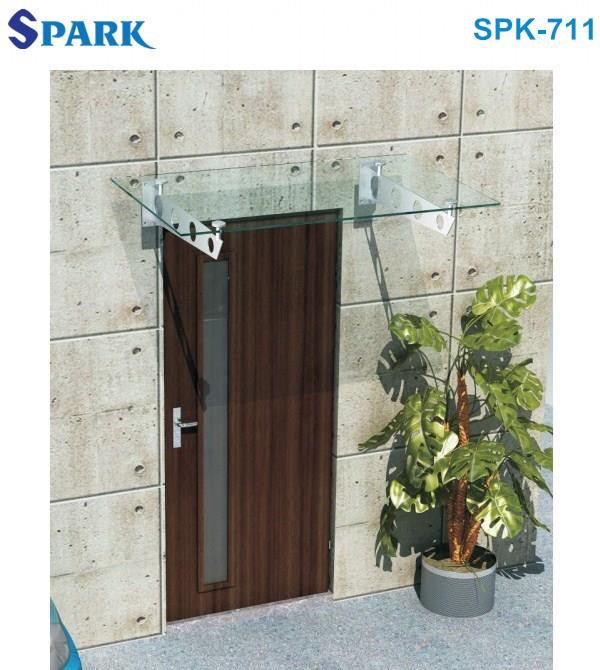
- Cleaning: Some fabrics are easier to clean than others. For example, vinyl and PVC - coated fabrics can be simply wiped clean with a damp cloth and mild soap. On the other hand, natural fabrics like cotton may require more care and may need to be washed more thoroughly.
- Stain Resistance: Fabrics with stain - resistant properties are more convenient, especially if the awning is located in an area prone to dirt and spills. Many modern fabrics are treated with stain - resistant coatings to make them easier to keep clean.
5. Cost
Cost is always a factor when making a purchasing decision.
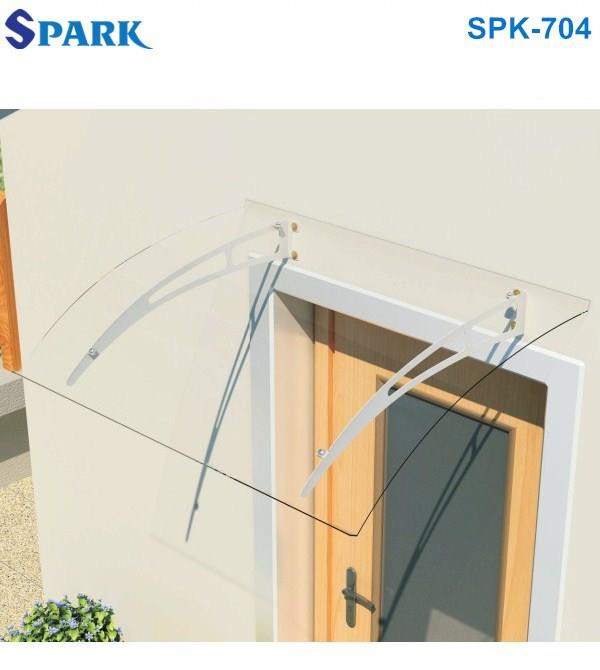
- Initial Cost: Different fabrics have different price points. Generally, synthetic fabrics like polyester and vinyl are more affordable than natural fabrics like cotton or canvas. However, the initial cost should not be the only consideration. You also need to factor in the long - term cost, including durability and maintenance.
- Long - Term Value: A more expensive fabric that is highly durable and requires less maintenance may be a better investment in the long run. For example, a high - quality acrylic fabric may cost more upfront but can last for many years without significant fading or damage, saving you money on replacements.
6. Compatibility with the Awning Structure
The fabric you choose should be compatible with the awning structure.
- Weight: The weight of the fabric can affect the stability of the awning. Heavier fabrics may require a stronger support structure. For example, if you are using Door Canopy Metal or Door Canopy Aluminium Brackets, you need to ensure that they can support the weight of the chosen fabric.
- Attachment: The fabric should be able to be easily attached to the awning frame. Some fabrics come with special attachment mechanisms, such as grommets or Velcro, which make installation and replacement easier.
In conclusion, choosing the right door awning fabric involves considering multiple factors, including durability, aesthetics, functionality, maintenance, cost, and compatibility with the awning structure. As a Door Awning supplier, I can provide you with a wide range of fabric options to meet your specific needs. Whether you are looking for a durable and low - maintenance fabric for a commercial building or a stylish and functional awning for your home, I can help you make the right choice.
If you are interested in purchasing door awnings or have any questions about the fabric selection process, please feel free to contact me for a detailed consultation and to discuss your procurement needs.

References
- "Fabric Selection Guide for Outdoor Awnings", Outdoor Living Magazine, 2022.
- "Durability and Performance of Awning Fabrics", Textile Research Journal, 2021.
- "Aesthetics and Functionality in Awning Design", Architectural Digest, 2020.