




How to make interior glass doors more energy - efficient?
 Nov 10, 2025|
 As a supplier of interior glass doors, I understand the importance of energy efficiency in modern building design. Energy-efficient interior glass doors not only help reduce energy consumption but also enhance the comfort and sustainability of living and working spaces. In this blog, I will share some practical tips on how to make interior glass doors more energy-efficient.
Choose the Right Glass Type
The type of glass used in interior doors plays a crucial role in determining their energy efficiency. Here are some glass options to consider:
Insulated Glass Units (IGUs)
Insulated glass units consist of two or more glass panes separated by a spacer and filled with an insulating gas, such as argon or krypton. IGUs provide excellent thermal insulation, reducing heat transfer through the glass and helping to maintain a consistent indoor temperature. They are particularly effective in areas with extreme temperatures or where energy savings are a priority. For example, Double Glass Doors often use IGUs to enhance their energy efficiency.
Low-E Glass
Low-emissivity (Low-E) glass has a thin, transparent coating that reflects infrared radiation while allowing visible light to pass through. This coating helps to reduce heat gain in the summer and heat loss in the winter, making it an energy-efficient choice for interior glass doors. Low-E glass can be used in combination with IGUs to further improve insulation performance.
Tempered Glass
Tempered glass is stronger and more durable than regular glass, making it a popular choice for interior doors. It also has better thermal resistance, which can contribute to energy efficiency. Tempered glass is often used in Glass Panel Interior Door applications where safety and durability are important.
Improve Sealing and Weatherstripping
Proper sealing and weatherstripping are essential for preventing air leakage around interior glass doors. Air leakage can significantly reduce the energy efficiency of a door by allowing hot or cold air to escape and outside air to enter. Here are some ways to improve sealing and weatherstripping:
Install Weatherstripping
Weatherstripping is a material that is used to seal the gaps between the door and the frame. It can be made of rubber, foam, or other materials and is available in various shapes and sizes. Installing weatherstripping around the perimeter of the door can help to prevent air leakage and improve energy efficiency.
Use Door Sweeps
Door sweeps are strips of material that are attached to the bottom of the door to seal the gap between the door and the floor. They can be made of rubber, brush, or other materials and are available in various lengths and widths. Using door sweeps can help to prevent air leakage and improve energy efficiency, especially in areas where there is a significant temperature difference between the inside and outside of the building.
Check and Repair Seals
Over time, the seals around interior glass doors can become worn or damaged, allowing air to leak through. It is important to regularly check the seals and repair or replace them as needed to ensure proper sealing and energy efficiency.
Optimize Door Design
The design of interior glass doors can also affect their energy efficiency. Here are some design considerations to keep in mind:
Choose the Right Door Style
The style of the door can have a significant impact on its energy efficiency. For example, sliding doors tend to be more energy-efficient than hinged doors because they have fewer gaps and are better sealed. Frameless Sliding Glass Shower Doors are a popular choice for bathrooms because they are not only stylish but also energy-efficient.
Minimize Glass Area
While glass doors can provide natural light and a sense of openness, they can also contribute to heat gain and loss. To improve energy efficiency, it is important to minimize the amount of glass in the door and use other materials, such as wood or metal, to frame the glass.
Consider Door Orientation
The orientation of the door can also affect its energy efficiency. For example, doors that face south or west are more likely to receive direct sunlight, which can cause heat gain in the summer. To reduce heat gain, it is recommended to install doors that face north or east, or to use shading devices, such as blinds or curtains, to block the sun's rays.
Maintain and Clean Interior Glass Doors
Regular maintenance and cleaning of interior glass doors are essential for ensuring their energy efficiency and longevity. Here are some maintenance tips to keep in mind:
Clean the Glass Regularly
Cleaning the glass regularly can help to remove dirt, dust, and other debris that can reduce the transparency of the glass and affect its energy efficiency. Use a mild glass cleaner and a soft cloth to clean the glass, and avoid using abrasive materials or harsh chemicals that can damage the glass or the coating.
Lubricate Hinges and Hardware
Lubricating the hinges and hardware on interior glass doors can help to ensure smooth operation and prevent wear and tear. Use a silicone-based lubricant to lubricate the hinges and hardware, and avoid using oil-based lubricants that can attract dirt and dust.
Inspect the Door Regularly
Regularly inspecting the door for damage or wear can help to identify and address any issues before they become major problems. Check the seals, weatherstripping, hinges, and hardware for signs of damage or wear, and repair or replace them as needed.
Conclusion
Making interior glass doors more energy-efficient is an important step in reducing energy consumption and improving the comfort and sustainability of living and working spaces. By choosing the right glass type, improving sealing and weatherstripping, optimizing door design, and maintaining and cleaning the doors regularly, you can enhance the energy efficiency of your interior glass doors and enjoy the benefits of a more comfortable and sustainable home or office.
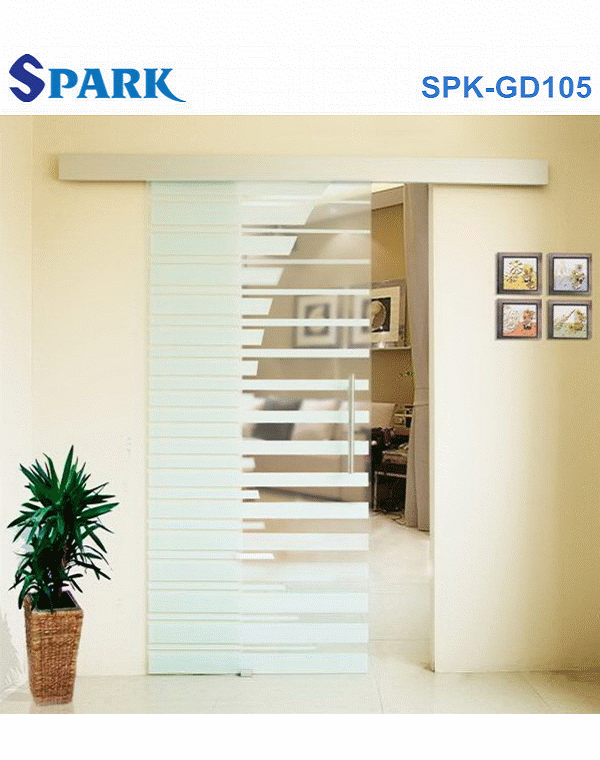
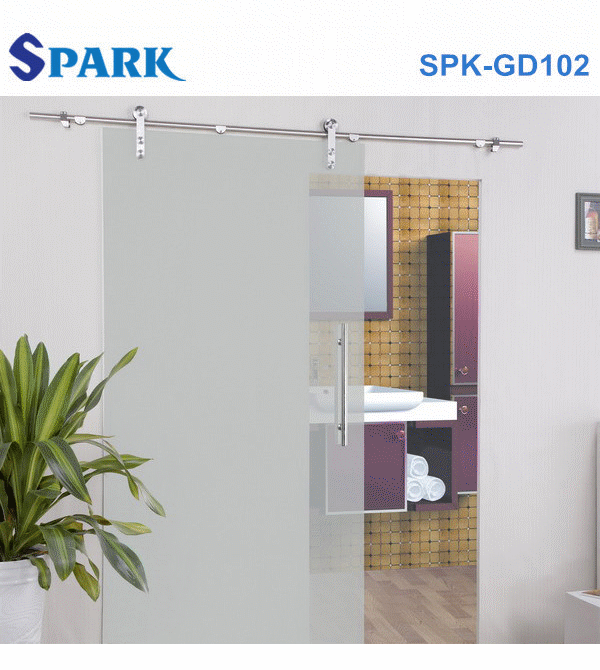
If you are interested in purchasing energy-efficient interior glass doors, please feel free to contact us for more information. We are a leading supplier of interior glass doors and can provide you with a wide range of options to meet your needs and budget.
References
- "Energy-Efficient Windows and Doors." U.S. Department of Energy.
- "Glass Types for Energy-Efficient Windows." National Fenestration Rating Council.
- "Weatherstripping and Door Sweeps." Family Handyman.