




How to prevent mildew on a door awning?
 Dec 04, 2025|
 As a door awning supplier, I've witnessed firsthand the frustration that mildew can bring to these outdoor fixtures. Mildew not only mars the appearance of door awnings but can also compromise their structural integrity over time. In this blog, I'll share some practical tips on how to prevent mildew from taking hold on your door awnings, ensuring they remain in top condition for years to come.
Understanding Mildew
Before we delve into prevention strategies, it's essential to understand what mildew is and why it forms on door awnings. Mildew is a type of fungus that thrives in warm, damp, and dark environments. Door awnings, especially those in shaded areas or exposed to frequent moisture, provide an ideal breeding ground for mildew. It typically appears as a black, gray, or white powdery substance on the surface of the awning fabric or frame.
Choose the Right Materials
One of the first steps in preventing mildew on door awnings is to select the right materials. Some materials are more resistant to mildew than others. For instance, synthetic fabrics like polyester and acrylic are less likely to develop mildew compared to natural fabrics such as cotton. These synthetic materials are designed to be water - repellent and dry quickly, reducing the chances of mildew growth.
When it comes to the frame of the door awning, aluminum is an excellent choice. Aluminum is lightweight, durable, and resistant to rust and mildew. You can explore our Door Canopy Aluminium Brackets which are not only strong but also less prone to mildew formation.
Proper Installation
Proper installation of the door awning is crucial for mildew prevention. An awning that is installed at the correct angle will allow water to drain off easily. If water pools on the awning surface, it creates a moist environment where mildew can thrive. Make sure the awning is installed securely and level, and that there are no low spots where water can collect.
Regular Cleaning
Regular cleaning is one of the most effective ways to prevent mildew on door awnings. You should clean your awning at least twice a year, or more frequently if it is exposed to a lot of dirt, dust, or moisture.
To clean the awning, start by removing any loose debris such as leaves and twigs. Then, use a soft - bristled brush or a sponge and a mild detergent solution. Avoid using harsh chemicals or abrasive cleaners as they can damage the awning fabric or frame. Gently scrub the surface of the awning, paying special attention to areas where mildew is likely to form, such as the folds and seams.
After scrubbing, rinse the awning thoroughly with clean water. Make sure to remove all traces of the detergent. Let the awning dry completely before retracting it or leaving it in place. A well - dried awning is less likely to develop mildew.

Adequate Ventilation
Proper ventilation around the door awning can also help prevent mildew. If the awning is installed in a confined space with poor air circulation, moisture can become trapped, leading to mildew growth. Ensure that there is enough space around the awning for air to flow freely. You can also consider installing ventilation holes or louvers in the awning if possible.
Use Mildew - Resistant Treatments
There are various mildew - resistant treatments available in the market that can be applied to door awnings. These treatments create a protective barrier on the surface of the awning, making it more difficult for mildew to grow. Before applying any treatment, make sure to clean the awning thoroughly and let it dry completely. Follow the manufacturer's instructions carefully when applying the treatment.
Sunlight Exposure
Sunlight is a natural enemy of mildew. Whenever possible, position your door awning in a location where it will receive some sunlight during the day. Sunlight helps to dry out the awning and also has natural disinfectant properties. However, be careful not to expose the awning to direct sunlight for extended periods, as this can cause the fabric to fade or become brittle over time.
Monitor and Address Issues Promptly
Regularly inspect your door awning for signs of mildew or other damage. If you notice any small patches of mildew, address them immediately. You can use a mildew cleaner to remove the mildew. If the mildew problem is severe, it may be necessary to consult a professional for more extensive cleaning or repair.
Different Types of Door Awnings and Mildew Prevention
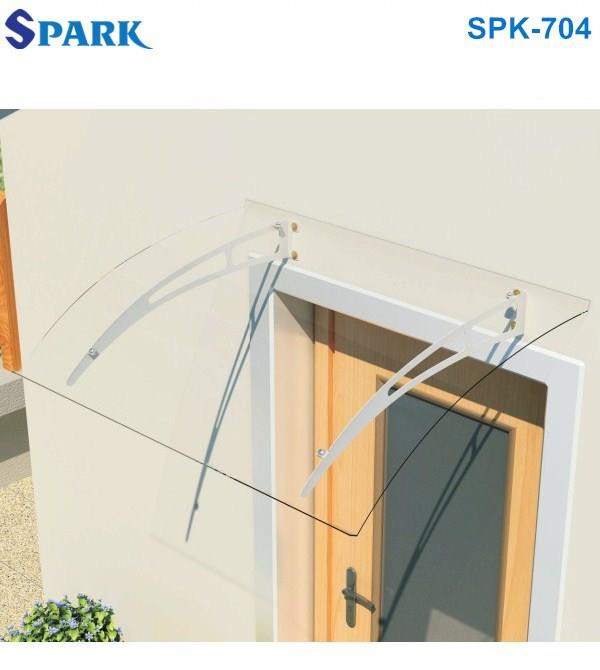
If you are considering a glass - based door awning, such as our Glass Rain Canopy or Glass Door Canopy, the prevention methods are slightly different. Glass is generally more resistant to mildew, but dirt and grime can accumulate on its surface, which may indirectly lead to mildew growth in the surrounding areas.
For glass door awnings, regular cleaning with a glass cleaner is essential. Wipe down the glass surface to remove any dirt, fingerprints, or water spots. Also, check the seals and joints around the glass. If these are damaged or loose, water can seep in and create a moist environment where mildew can grow.
Conclusion
Preventing mildew on door awnings is a combination of choosing the right materials, proper installation, regular cleaning, and maintaining a suitable environment. By following these tips, you can keep your door awning looking great and functioning well for many years.
If you're in the market for a new door awning or need advice on mildew prevention for your existing one, we're here to help. Our team of experts can assist you in selecting the right awning for your needs and provide guidance on proper maintenance. Contact us today to start the conversation about your door awning requirements.
References
- "Mildew Prevention in Outdoor Fabrics" - Journal of Textile Science and Technology
- "Aluminum in Construction: Durability and Maintenance" - Construction Materials Review
- "Glass Canopy Design and Maintenance" - Architectural Design Quarterly