




What are the installation requirements for stainless steel sliding glass door locks?
 Nov 20, 2025|
 As a reputable supplier of Stainless Steel Sliding Glass Door Hardware, I understand the importance of ensuring that every component, especially the locks, meets the highest standards of quality and functionality. In this blog post, I will delve into the installation requirements for stainless steel sliding glass door locks, providing you with comprehensive insights to help you make informed decisions.
Understanding the Basics of Stainless Steel Sliding Glass Door Locks
Stainless steel sliding glass door locks are designed to provide security and convenience for your sliding glass doors. They come in various types, including keyed locks, combination locks, and electronic locks, each offering different levels of security and ease of use. Before installing a lock, it is essential to understand the type of lock you have and its specific installation requirements.
Compatibility with the Door
The first and most crucial requirement for installing a stainless steel sliding glass door lock is ensuring its compatibility with the door. The lock must be designed to fit the specific type and size of your sliding glass door. Measure the thickness of your door accurately, as most locks are designed for doors within a certain thickness range. Using an incompatible lock can lead to improper installation, reduced security, and potential damage to the door.
Tools and Materials
To install a stainless steel sliding glass door lock, you will need the following tools and materials:
- Screwdriver: A Phillips or flathead screwdriver, depending on the type of screws used in the lock.
- Drill: If the lock requires drilling holes for installation.
- Measuring Tape: To ensure accurate measurements.
- Pencil: For marking the drilling points.
- Lock and Mounting Hardware: Provided with the lock.
Preparation
Before starting the installation process, it is important to prepare the door and the surrounding area. Clean the door surface where the lock will be installed to remove any dirt, debris, or grease. This will ensure a secure and clean installation. Additionally, make sure the door is in good condition and operates smoothly. If there are any issues with the door, such as misalignment or difficulty sliding, it is recommended to address them before installing the lock.
Installation Steps
Step 1: Positioning the Lock
Carefully read the manufacturer's instructions that come with the lock. These instructions will provide specific guidance on how to position the lock on the door. In general, the lock should be installed at a height that is convenient for use and provides optimal security. Mark the position of the lock on the door using a pencil, ensuring that it is level and centered.
Step 2: Drilling Holes (if required)
If the lock requires drilling holes for installation, use a drill bit that is the appropriate size for the screws provided. Drill the holes at the marked positions, making sure to drill straight and at the correct depth. Be cautious not to drill through the door or damage the glass.
Step 3: Mounting the Lock
Insert the mounting screws through the holes in the lock and into the door. Tighten the screws securely using a screwdriver, but be careful not to overtighten, as this can damage the door or the lock. Make sure the lock is firmly attached to the door and does not wobble.
Step 4: Testing the Lock
Once the lock is installed, test it to ensure that it operates smoothly. Insert the key or enter the combination (if applicable) and lock and unlock the door several times. Check that the lock engages and disengages properly and that the door can still slide freely.
Additional Considerations
Weather Resistance
Since sliding glass doors are often exposed to the elements, it is important to choose a stainless steel lock that is weather-resistant. Stainless steel is a durable material that is resistant to rust and corrosion, but not all stainless steel locks are created equal. Look for locks that are specifically designed for outdoor use and have a high level of weather resistance.
Security Features
Consider the security features of the lock. Some locks come with additional features such as deadbolts, anti-pick mechanisms, and reinforced strike plates. These features can enhance the security of your sliding glass door and provide peace of mind.
Compatibility with Other Hardware
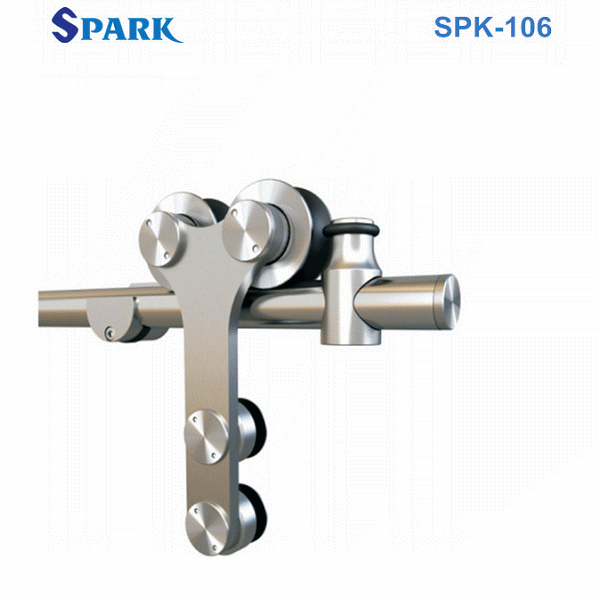
If you are installing a new lock on an existing sliding glass door, make sure it is compatible with other hardware components such as the Sliding Door Mechanism and Barn Door Stopper. Incompatible hardware can cause issues with the operation of the door and the lock.
Maintenance
Regular maintenance of the lock is essential to ensure its long-term performance and security. Clean the lock periodically using a mild detergent and a soft cloth. Lubricate the moving parts of the lock, such as the keyway and the bolt, with a silicone-based lubricant to prevent rust and ensure smooth operation.

Conclusion
Installing a stainless steel sliding glass door lock requires careful consideration of several factors, including compatibility, tools, and installation steps. By following the manufacturer's instructions and these guidelines, you can ensure a proper and secure installation. At our company, we are committed to providing high-quality Stainless Steel Sliding Glass Door Hardware, including locks that meet the highest standards of security and functionality. If you have any questions or need assistance with choosing the right lock for your sliding glass door, or if you are interested in Sliding Glass Doors and other related hardware, please feel free to contact us. We are here to help you make the best decisions for your home or business.
References
- Manufacturer's instructions for stainless steel sliding glass door locks.
- General knowledge of sliding glass door hardware installation and security.