




What is the wind resistance of a door awning?
 Oct 28, 2025|
 Hey there! As a door awning supplier, I often get asked about the wind resistance of door awnings. It's a crucial factor, especially for those living in areas with strong winds. In this blog, I'll break down what wind resistance means for door awnings, how it's measured, and what you should look for when choosing one.

What is Wind Resistance?
Let's start with the basics. Wind resistance, in the context of door awnings, refers to the ability of the awning to withstand the force of the wind without getting damaged or blown away. When wind hits an awning, it creates pressure, and if the awning isn't designed to handle that pressure, it can lead to all sorts of problems, like the awning collapsing or parts of it flying off.
Think of it like a sail on a boat. If the sail isn't strong enough, the wind can tear it apart. Similarly, a door awning needs to be built to handle the wind conditions in its location.
How is Wind Resistance Measured?
Wind resistance is typically measured in terms of wind speed. Manufacturers will test their awnings in wind tunnels to determine the maximum wind speed the awning can withstand. This information is usually provided in the product specifications, and it's given in miles per hour (mph) or kilometers per hour (kph).
For example, an awning might be rated to withstand winds of up to 30 mph. This means that in normal conditions, the awning should be able to handle winds of that speed without any issues. However, it's important to note that these ratings are based on ideal conditions, and real - world factors can affect the actual performance.
Factors Affecting Wind Resistance
There are several factors that can affect the wind resistance of a door awning.
1. Material
The material of the awning plays a huge role. For instance, Door Canopy Metal awnings are generally more wind - resistant than fabric awnings. Metal is strong and durable, and it can better withstand the force of the wind. Fabric awnings, on the other hand, are lighter and more flexible, but they may not hold up as well in high winds. However, some high - quality fabric awnings are treated to be more wind - resistant.
2. Design
The design of the awning also matters. A well - designed awning will have a shape that allows the wind to pass over it more easily, reducing the pressure on the structure. For example, a curved awning may be more wind - resistant than a flat one because the curved shape helps to deflect the wind.
3. Installation
Proper installation is crucial for wind resistance. If an awning is not installed correctly, it may not be able to withstand the wind, even if it's a high - quality product. The awning needs to be securely attached to the building, and all the hardware should be tightened properly.
Types of Awnings and Their Wind Resistance
Let's take a look at some common types of door awnings and their typical wind resistance.
1. Retractable Awnings
Retractable awnings are popular because they offer flexibility. You can extend them when you need shade or protection from the rain and retract them when the weather gets bad. However, their wind resistance can vary. Some retractable awnings are designed to be more wind - resistant and can be left out in moderate winds. But in high winds, it's usually recommended to retract them to prevent damage.
2. Fixed Awnings
Fixed awnings are permanently attached to the building. They are generally more wind - resistant than retractable awnings because they are more securely installed. However, they still need to be properly designed and made from strong materials to handle high winds. Door Canopy Kit awnings, which are often fixed, can be a good option if you're looking for a more wind - resistant solution.
3. Glass Awnings
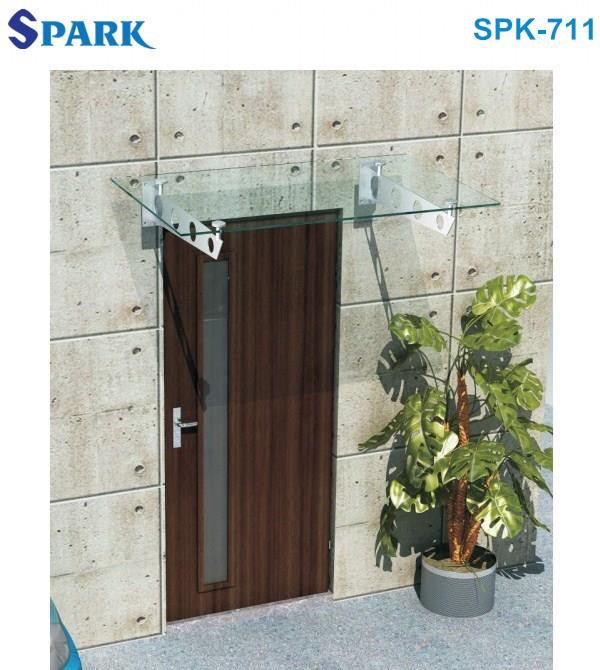
Glass Rain Canopy awnings are stylish and offer good protection from the elements. Glass is a strong material, but it can be brittle. A well - designed glass awning with proper support can have good wind resistance, but it's important to choose a high - quality product and ensure proper installation.
Choosing the Right Wind - Resistant Awning
When choosing a door awning with good wind resistance, here are some tips:
1. Check the Rating
Look for the wind speed rating in the product specifications. Make sure the awning is rated to withstand the average wind speeds in your area. If you live in a particularly windy area, you may want to choose an awning with a higher rating.
2. Consider the Material and Design
As mentioned earlier, the material and design of the awning are important. Choose a material that is known for its strength, and look for a design that helps to reduce wind pressure.
3. Read Reviews
Reading reviews from other customers can give you an idea of how well the awning holds up in real - world conditions. Look for reviews from people in similar climates to yours.
Maintenance for Wind Resistance
Proper maintenance can also help to ensure the wind resistance of your door awning. Regularly check the awning for any signs of damage, such as loose parts or tears. Tighten any loose hardware, and replace any damaged components as soon as possible. If you have a retractable awning, make sure the mechanism is working properly so you can retract it when needed.
Conclusion
In conclusion, wind resistance is an important factor to consider when choosing a door awning. By understanding what wind resistance means, how it's measured, and the factors that affect it, you can make an informed decision. Whether you choose a Door Canopy Metal, Door Canopy Kit, or Glass Rain Canopy, make sure it's the right fit for your needs and the wind conditions in your area.
If you're interested in purchasing a door awning and want to discuss your options, feel free to reach out. We're here to help you find the perfect awning that offers both style and excellent wind resistance.
References
- "Wind Load Calculations for Building Structures" - Building Codes Institute
- "Materials and Design for Outdoor Awnings" - Journal of Outdoor Living